
The Aegean is like a poem spread across Turkey’s western coast. In these lands where blue and green dance in harmony, not only nature but also culinary culture reveals itself with a distinct elegance. Aegean cuisine is a blend of centuries and a reflection of civilizations. It is full of dishes cooked in the shade of olive trees, fresh herbs that have absorbed the scent of the sea, and recipes that are simple yet carry deep meanings.
In this article, I will not only share the recipes of the Aegean cuisine but also its philosophy, historical roots, and how it has evolved into modern life today. You may not find a recipe, but you will certainly create a delicious memory of the Aegean.
Simplicity, Health, and Table Culture
The most distinctive feature of the Aegean cuisine is its focus on lightness and naturalness. Instead of heavy oils, intense spices, and complex cooking techniques, simple yet profound flavors made with olive oil, lemon, garlic, and fresh herbs take center stage.
In this cuisine, eating is not just about filling your stomach; it’s about coming together, sharing, and appreciating nature. Especially on summer evenings, the spirit of this culture is felt more deeply at the long tables set up in the courtyards of stone houses.
The Heart of the Aegean Cuisine: Olive Oil
The olive tree is sacred to the Aegean. With its thousand-year lifespan, it represents both the history and character of the region. Most dishes in the Aegean are cooked with olive oil. “Olive oil dishes” form a category of their own. Artichokes, okra, broad beans, and stuffed zucchini flowers are among the many dishes in this category.
These cold dishes are typically served as starters at lunch or dinner. A few drops of lemon juice and a sprinkle of pomegranate molasses transform them into a simple yet unforgettable flavor.
Health from Herbs: Nature’s Invitation to the Table
Wild Herbs: Radish, Sorrel, Turnip…
In Aegean cuisine, herbs are treasures in their own right. They are not bought from the market but gathered from nature. You can find a wide variety of herbs at village markets. Each herb has its own story, season, and cooking method. Some are boiled and drizzled with olive oil and lemon; others are sautéed with eggs or added to pastries.
For Aegean women, gathering herbs is not just a chore—it’s a form of meditation. The elderly women walking along mountain paths with baskets in the early morning hours are the true heirs of this cuisine.
A Kitchen United with the Sea: Fish and Seafood
In the Aegean, the fish menu depends more on what comes out of the sea than what is available at the market. In addition to familiar fish such as sea bass, sea bream, and red mullet, seafood such as squid, octopus, and cuttlefish are also frequently found on tables. Fish is generally cooked simply; grilled or steamed is preferred. With plenty of lemon, arugula, and a good Aegean white wine, what more could you ask for?
Even frying fish in the Aegean is far from showy. It is coated in flour, fried in olive oil, and served hot. Potatoes are rarely served on the side; instead, a salad of herbs and greens is served.
The Role of Meat in Aegean Cuisine: Less Is More
Yes, the Aegean cuisine is known for its lightness, but that doesn’t mean there’s no meat. Lamb and chicken are particularly common in rural areas. Dishes like lamb stew, meat dishes made with arap saçı (a type of pasta), and stew made from village chicken are popular. However, even these meat dishes are prepared with simple cooking techniques; natural flavors take center stage over butter or spices.
Famous Aegean Dishes and Stories
Stuffed Squash Blossoms
Zucchini flowers picked early in the morning are stuffed with a rice mixture and slowly cooked in olive oil. According to legend, this dish was first made in Tire by immigrant women from Crete.
Thistle
A prickly herb that grows only in the Aegean region. It is difficult to clean but has a unique flavor when cooked. It is typically prepared with lamb and is a staple of winter cuisine.
Radish Salad
Boiled and served with garlic yogurt or olive oil and lemon mixture. It both strengthens the immune system and soothes the stomach.
Izmir Meatballs
Unlike other meatballs, it is baked in the oven. It is mixed with potatoes and tomatoes. It is one of the traditional wedding dishes of Izmir.
Desserts and Unforgettable Final Touches
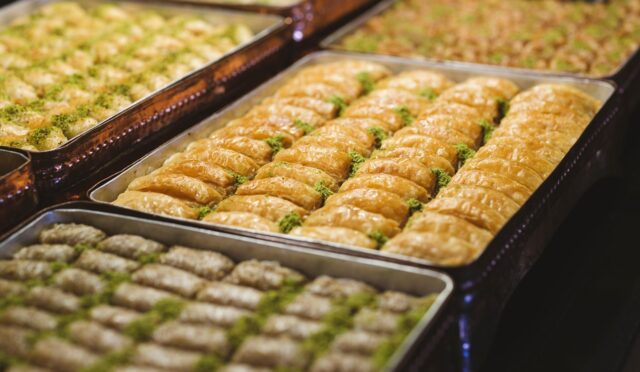
The desserts of the Aegean cuisine are as light as the main dishes. Instead of syrup-based desserts, milk-based or fruit-based desserts are preferred. Delicacies such as lor dessert, fig pudding, and pumpkin dessert stand out. Especially the mastic-flavored pudding is among the aromatic flavors unique to the Aegean region.
Modern Aegean Cuisine: From Tradition to the Future
Today, the Aegean cuisine is recognized worldwide as an important representative of the “Mediterranean Diet.” With its healthy fats, fresh vegetables, seafood, and minimal cooking techniques, it aligns with contemporary nutritional principles. Many gourmet restaurants and chefs are reinterpreting Aegean recipes with modern presentations.
However, nothing can replace the taste of a broad bean stew cooked in a stone oven in a village home.