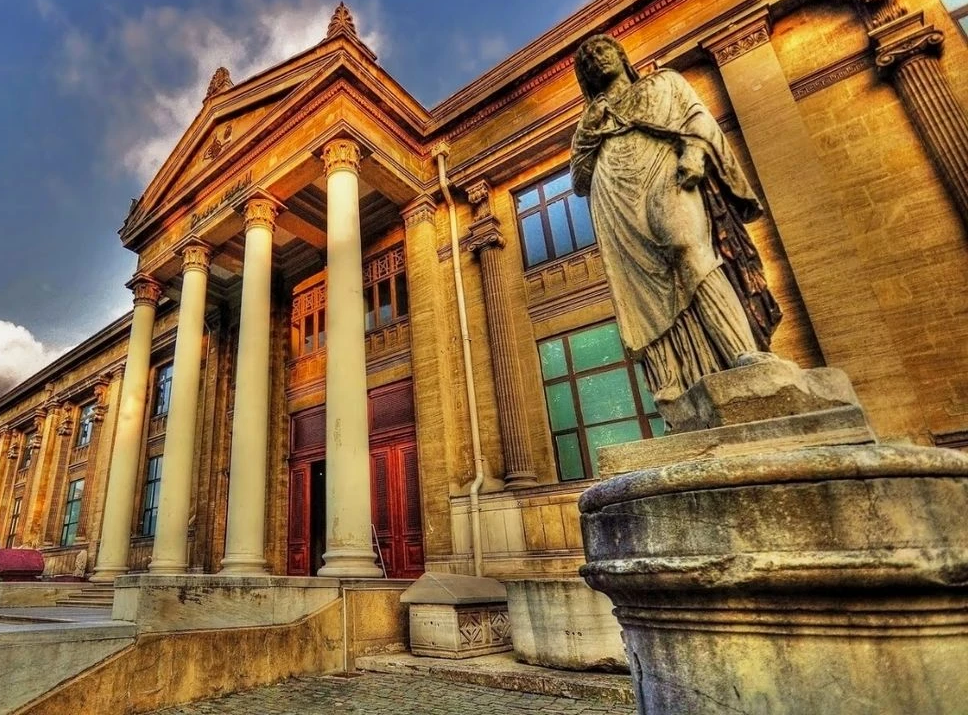

Istanbul Archaeology Museum
Istanbul is one of the world’s most important cities, both historically and culturally. Throughout its thousands of years of history, this ancient city has been home to many different civilisations. The Istanbul Archaeology Museum is an important place to delve deeper into this history and discover the rich cultural heritage of Istanbul. For archaeology enthusiasts and history lovers, this museum offers a journey through time, reflecting the historical texture of the city.
The Istanbul Archaeological Museum is one of the oldest and most comprehensive museums in Turkey. It was founded in the 19th century during the Ottoman Empire and it houses a lot of archaeological finds, especially from excavations in and around Istanbul. The museum is made up of three buildings, each with different artifacts from different periods. The Istanbul Archaeology Museum has an extremely important collection, not just for the history of Istanbul, but also for the history of Anatolia as a whole.
The foundation of the Istanbul Archaeology Museum
The Istanbul Archaeology Museum was founded in 1891. It was the first archaeological museum of the Ottoman period, so it was really important. The museum’s main goal was to collect, preserve, and exhibit archaeological artifacts found in Ottoman lands. Over time, excavations and research done for this purpose added to the museum’s collections. The museum got a makeover in 1908, and now it’s a world-famous cultural treasure.
Collections of the Istanbul Archaeological Museum
The Istanbul Archaeology Museum has a huge collection of valuable artifacts. These artifacts give us a glimpse into the lives of different civilizations throughout history. The museum’s got artifacts from Greek, Roman, Byzantine, Ottoman, and ancient Anatolian civilizations.
One of the most remarkable parts of the museum is the area where you can see artifacts from the Greek and Roman periods. Sculptures, sarcophagi, coins, and stone inscriptions from these periods give visitors a good idea of the artistic and cultural life of ancient civilizations. Sculptures from the Greek period show the artistic approach of Ancient Greece, which idealized human figures. The museum’s got a bunch of Roman sculptures and reliefs, too. Coins and stone inscriptions from the Roman Empire offer valuable insights into the administration and daily life of the period.
The Istanbul Archaeology Museum has artifacts from the Greek and Roman periods, but it also has stuff from Mesopotamian and Anatolian civilizations. These artifacts are like time capsules, carrying the traces of the oldest settlements and civilizations in the region all the way to today.
The Hittites are one of the oldest civilizations in Anatolia, and the Istanbul Archaeological Museum has many artifacts from this civilization. Inscriptions and statues made of stone help us understand the culture and religion of this civilization. You can also find artifacts from the Phrygians in the museum. Stone carvings and figures of the Phrygians show traces of ancient Anatolian culture.
The museum’s got some great Egyptian historical artifacts, too. The ancient culture and art of Egypt is really important because it’s one of the oldest civilizations in the world. The museum offers a journey into the fascinating world of Ancient Egypt with mummies, stone statues, and funerary objects brought from Egypt. The Egyptian collection at the Istanbul Archaeology Museum has a lot of artifacts related to the culture of death in ancient Egypt. The museum’s mummies let visitors explore Egyptian burial customs and religious beliefs. And statues of Egyptian gods and tombstones show us a lot about the culture of that time.
Highlights of the Istanbul Archaeology Museum
It’s not just about its collections, though. It’s also a special museum where you can see a lot of historical artifacts. Some of the artifacts here show how valuable they could have been to humanity throughout history.
Alexander Sarcophagus
One of the museum’s most famous artifacts is the Sarcophagus of Alexander, which dates back to the 4th century BC. This sarcophagus is the tomb of Alexander, king of Macedonia, and the stone carvings on it are a perfect example of the art of the period. It’s a huge deal from an artistic and historical perspective.
Tomb Stelae and Sarcophagi
There are also a lot of ancient Roman and Greek tomb steles and sarcophagi on display. These artifacts show us a lot about the burial customs and religious beliefs of the society. The inscriptions on the tombstones also give us a good idea of what daily life was like back then.
Tomb Stelae and Sarcophagi
There are also a bunch of ancient Roman and Greek funerary steles and sarcophagi on display. These artifacts tell us a lot about the burial customs and religious beliefs of the society. The inscriptions on the tombstones also give us a good idea of what daily life was like at that time.
Istanbul Archaeology Museum Visit Guide
The Istanbul Archaeology Museum is a great attraction for both local and foreign tourists with its rich collections. If you’re into history, a visit to the museum is a must.
Transportation
The museum is in a tourist area. So, it’s not the best idea to drive there yourself or take a taxi. The easiest way to reach the museum is by tram. You can get to the museum by taking the T1 Kabataş-Bağcılar tram line and getting off at the Sultanahmet-Blue Mosque stop.
Museum Entrance Fees and Visiting Hours
The entrance fee to the Istanbul Archaeology Museum is subject to change. Discounts are usually available for students and teachers, and guided tours and museum tickets are also available. Visiting hours are from 9:00 am to 9:00 pm, 7 days a week. You can get a Museum Card to get in, or you can buy a ticket at the box office. But the ticket offices are open until 8 p.m. Just a heads-up, they might be closed on public holidays. Please check before you go.
Museum Tour and Guidance Services
The museum also offers guided tours for visitors. Guided tours let visitors learn more about the historical and cultural context of the exhibits. The guides explain the meaning behind each artifact and share the museum’s story.